


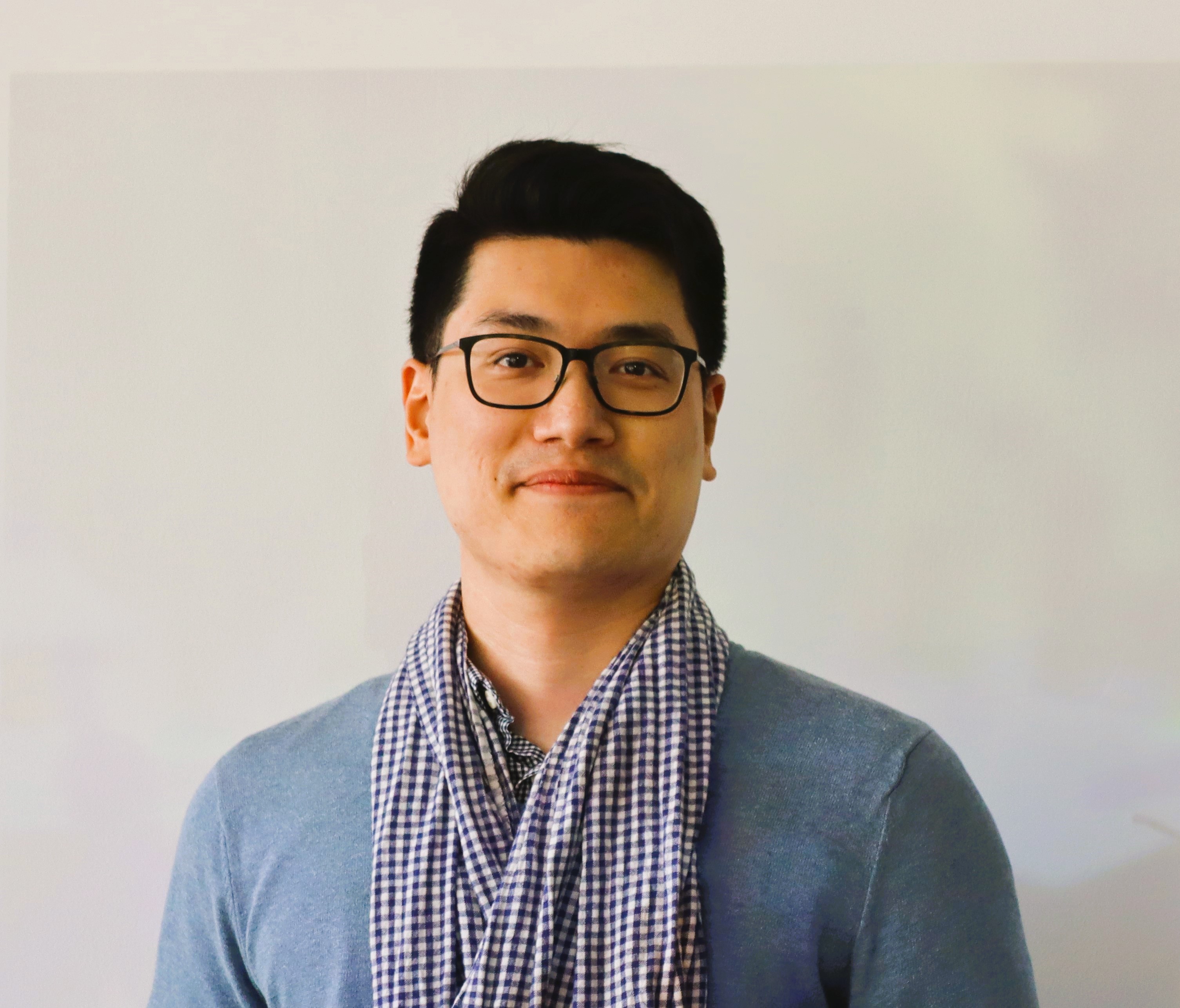
Your career spans more than 15 years in water governance, sustainable agriculture, and climate resilience across the Mekong region and Asia. What first drew you to this work, and what continues to motivate you today?
I first came to water through science and engineering, with an interest in understanding how rivers, agriculture and people depend on one another. Working across Vietnam and the region showed me how closely technical challenges are connected to livelihoods, institutions and questions of fairness.
Today, I am motivated by helping connect scientific knowledge with the experience of people whose lives depend on water. What keeps me engaged is the possibility of turning better understanding into decisions that improve people’s lives and protect the ecosystems they rely on.
Water governance decisions affect communities with different needs, priorities, and levels of influence. How do you find common ground while ensuring that those most affected have a meaningful voice? Can you share an example that shaped your approach to leadership?
I start by asking what different groups need, what they fear losing, and who has the least influence over the decision. Recent discussions with community researchers in Thailand, Myanmar, Cambodia reminded me that people within the same community can have different priorities, even when they depend on shared natural resources.
Meaningful participation means enabling resource users to help set priorities, agree on responsibilities and assess how decisions affect their lives. These exchanges have shaped my approach to leadership: listening carefully, helping those most affected influence decisions, and building shared responsibility for the natural capital people depend on.
What motivated you to join the World Wise Executive Leadership Program at this stage of your career, and what leadership challenge did you hope it would help you navigate?
Working in international development brought me into a role that requires working across countries, institutions and different perspectives on water governance. With a strong technical background, I wanted to become more effective at helping people work together when evidence alone could not resolve a disagreement.
World Wise offered an opportunity to reflect on my own leadership habits and learn alongside people facing different challenges. I particularly wanted to strengthen my ability to navigate uncertainty, difficult conversations and situations where I need to influence without having formal authority.
World Wise brings together leaders from different countries and professional backgrounds. What classroom discussion or exchange with a fellow participant has challenged an assumption or helped you see a familiar problem differently?
A discussion about how people respond to principles versus practical examples stayed with me. Having lived and worked in several countries, I had assumed that I was fairly adaptable in how I communicated. It made me realise that cultural awareness also means noticing differences in how people build trust, interpret disagreement and find an argument convincing. I now think more carefully about where a conversation needs to begin for the people involved.
What is one lesson from World Wise that you are applying to your current work? How has it influenced the way you approach a decision, conversation, or collaboration?
One lesson from World Wise is how transformational leadership can build shared purpose and ownership. At my workplace, I am applying this by connecting activities such as research and training with our wider goal of inclusive, sustainable management of water and other natural resources.
In discussions with partners, I encourage them to help shape priorities and identify how their contributions support that shared goal. This has encouraged me to pay closer attention to what motivates people and how we can sustain their commitment throughout a collaboration.
For someone considering World Wise while balancing a demanding leadership role, what would you want them to know about the experience? What has made it worthwhile for you?
I would encourage them to bring a real leadership challenge into the programme and keep returning to it as they learn. Finding time requires commitment, but applying an idea to an actual meeting or conversation makes the learning immediately relevant.
What has made the experience worthwhile for me is the opportunity to reflect with people whose professional and cultural experiences differ from my own. Those exchanges help me recognise my habits, question my assumptions and return to work with better questions to ask.
--
World Wise applications are now open. Bring your leadership challenges, learn alongside global peers, and put new perspectives into practice. Explore here.
Quick Facts
Computational Sciences
Computational Sciences
Natural Sciences
Computational Sciences
Arts & Humanities, Natural Sciences
Social Sciences & Arts and Humanities
Business
Computational Sciences
Computational Sciences
Social Sciences & Business
Computational Sciences
Social Sciences
Computational Sciences & Business
Business & Computational Sciences
Computational Sciences
Computational Sciences
Social Sciences & Business
Business
Natural Sciences
Social Sciences
Social Sciences
Social Sciences & Business
Business & Computational Sciences
Business and Social Sciences
Social Sciences and Business
Computational Sciences & Social Sciences
Computer Science & Arts and Humanities
Business and Computational Sciences
Business and Social Sciences
Natural Sciences
Arts and Humanities
Business, Social Sciences
Business & Arts and Humanities
Computational Sciences
Natural Sciences, Computer Science
Computational Sciences
Arts & Humanities
Computational Sciences, Social Sciences
Computational Sciences
Computational Sciences
Natural Sciences, Social Sciences
Social Sciences, Natural Sciences
Data Science, Statistics
Computational Sciences
Business
Computational Sciences, Data Science
Social Sciences
Natural Sciences
Business, Natural Sciences
Business, Social Sciences
Computational Sciences
Arts & Humanities, Social Sciences
Social Sciences
Computational Sciences, Natural Sciences
Natural Sciences
Computational Sciences, Social Sciences
Business, Social Sciences
Computational Sciences
Natural Sciences, Social Sciences
Social Sciences
Arts & Humanities, Social Sciences
Arts & Humanities, Social Science
Social Sciences, Business
Arts & Humanities
Computational Sciences, Social Science
Natural Sciences, Computer Science
Computational Science, Statistic Natural Sciences
Business & Social Sciences
Sustainability
Sustainability
Natural Sciences & Sustainability
Natural Sciences
Sustainability
Computational Sciences
Computational Sciences
Computational Science & Business
Data Science and Statistics
Data Science and Statistics, Digital Practices
Earth and Environmental Systems
Cognition, Brain, and Behavior & Philosophy, Ethics, and the Law
Computational Theory and Analysis
Computer Science and Artificial Intelligence
Brand Management & Computer Science and Artificial Intelligence
Computer Science and Artificial Intelligence
Economics and Society & Strategic Finance
Enterprise Management
Economics and Society
Cells and Organisms & Brain, Cognition, and Behavior
Cognitive Science and Economics & Political Science
Applied Problem Solving & Computer Science and Artificial Intelligence
Computer Science and Artificial Intelligence & Cognition, Brain, and Behavior
Designing Societies & New Ventures
Strategic Finance & Data Science and Statistics
Brand Management and Designing Societies
Data Science & Economics
Machine Learning
Cells, Organisms, Data Science, Statistics
Arts & Literature and Historical Forces
Artificial Intelligence & Computer Science
Cells and Organisms, Mind and Emotion
Economics, Physics
Managing Operational Complexity and Strategic Finance
Global Development Studies and Brain, Cognition, and Behavior
Scalable Growth, Designing Societies
Business
Drug Discovery Research, Designing and Implementing Policies
Historical Forces, Cognition, Brain, and Behavior
Artificial Intelligence, Psychology
Designing Solutions, Data Science and Statistics
Data Science and Statistic, Theoretical Foundations of Natural Science
Strategic Finance, Politics, Government, and Society
Conversation
Your career spans more than 15 years in water governance, sustainable agriculture, and climate resilience across the Mekong region and Asia. What first drew you to this work, and what continues to motivate you today?
I first came to water through science and engineering, with an interest in understanding how rivers, agriculture and people depend on one another. Working across Vietnam and the region showed me how closely technical challenges are connected to livelihoods, institutions and questions of fairness.
Today, I am motivated by helping connect scientific knowledge with the experience of people whose lives depend on water. What keeps me engaged is the possibility of turning better understanding into decisions that improve people’s lives and protect the ecosystems they rely on.
Water governance decisions affect communities with different needs, priorities, and levels of influence. How do you find common ground while ensuring that those most affected have a meaningful voice? Can you share an example that shaped your approach to leadership?
I start by asking what different groups need, what they fear losing, and who has the least influence over the decision. Recent discussions with community researchers in Thailand, Myanmar, Cambodia reminded me that people within the same community can have different priorities, even when they depend on shared natural resources.
Meaningful participation means enabling resource users to help set priorities, agree on responsibilities and assess how decisions affect their lives. These exchanges have shaped my approach to leadership: listening carefully, helping those most affected influence decisions, and building shared responsibility for the natural capital people depend on.
What motivated you to join the World Wise Executive Leadership Program at this stage of your career, and what leadership challenge did you hope it would help you navigate?
Working in international development brought me into a role that requires working across countries, institutions and different perspectives on water governance. With a strong technical background, I wanted to become more effective at helping people work together when evidence alone could not resolve a disagreement.
World Wise offered an opportunity to reflect on my own leadership habits and learn alongside people facing different challenges. I particularly wanted to strengthen my ability to navigate uncertainty, difficult conversations and situations where I need to influence without having formal authority.
World Wise brings together leaders from different countries and professional backgrounds. What classroom discussion or exchange with a fellow participant has challenged an assumption or helped you see a familiar problem differently?
A discussion about how people respond to principles versus practical examples stayed with me. Having lived and worked in several countries, I had assumed that I was fairly adaptable in how I communicated. It made me realise that cultural awareness also means noticing differences in how people build trust, interpret disagreement and find an argument convincing. I now think more carefully about where a conversation needs to begin for the people involved.
What is one lesson from World Wise that you are applying to your current work? How has it influenced the way you approach a decision, conversation, or collaboration?
One lesson from World Wise is how transformational leadership can build shared purpose and ownership. At my workplace, I am applying this by connecting activities such as research and training with our wider goal of inclusive, sustainable management of water and other natural resources.
In discussions with partners, I encourage them to help shape priorities and identify how their contributions support that shared goal. This has encouraged me to pay closer attention to what motivates people and how we can sustain their commitment throughout a collaboration.
For someone considering World Wise while balancing a demanding leadership role, what would you want them to know about the experience? What has made it worthwhile for you?
I would encourage them to bring a real leadership challenge into the programme and keep returning to it as they learn. Finding time requires commitment, but applying an idea to an actual meeting or conversation makes the learning immediately relevant.
What has made the experience worthwhile for me is the opportunity to reflect with people whose professional and cultural experiences differ from my own. Those exchanges help me recognise my habits, question my assumptions and return to work with better questions to ask.
--
World Wise applications are now open. Bring your leadership challenges, learn alongside global peers, and put new perspectives into practice. Explore here.